Digital Revolution With IP Security Camera Installations
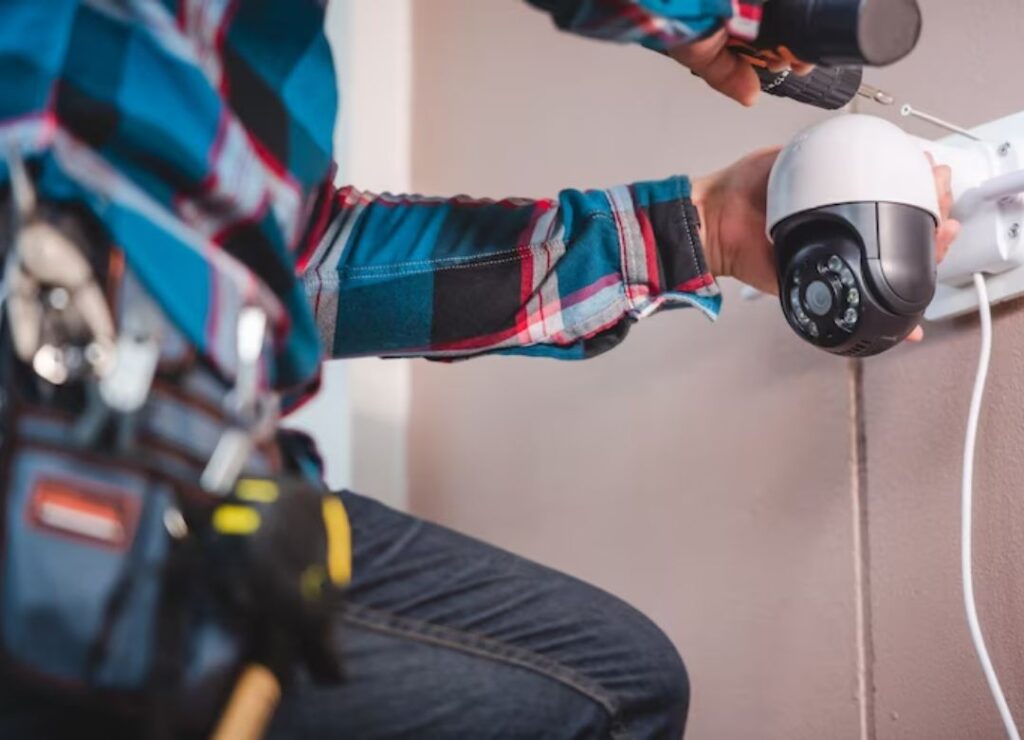
In the field of surveillance technology, there is currently a digital revolution happening with the rise of IP cameras replacing analog ones. This trend is especially evident in Australia, where businesses, institutions, and homeowners are increasingly turning to more advanced security solutions. Various factors are driving this shift, including technological advancements and changing security needs. It is thus important that we understand how IP Security camera installations in Brisbane are changing the landscape of security solutions in Australia and why they are preferred over traditional analog systems.
Understanding IP Security camera installations
IP cameras, also known as Internet Protocol cameras, have a different way of capturing and transmitting video footage compared to analog cameras. They convert video footage into digital format and transmit it through computer networks like LANs or the Internet. This digital approach offers several advantages over analog systems, such as superior image quality and resolution. IP cameras are capable of capturing footage in high definition or even ultra-high definition, providing clear and detailed images for better identification of individuals and objects, which is essential in scenarios like forensic investigations or facial recognition applications. Some of the reason to get IP Security camera installations in Brisbane are as follows:
●Superior Image Quality and Resolution:
One of the main reasons for the increasing demand for IP cameras is their superior image quality and resolution. IP cameras capture footage in high definition or even ultra-high definition, providing detailed images for better identification of individuals and objects. This is particularly crucial in scenarios where precise identification is needed, such as forensic investigations or facial recognition applications.
●Flexibility and Scalability:
Flexibility and scalability are other important advantages of IP cameras. Unlike analog systems that require extensive cabling and infrastructure upgrades to add more cameras, IP cameras can be easily integrated into existing network infrastructure. This scalability allows users to expand their surveillance systems incrementally, adding cameras as needed without major disruptions or expenses.
●Advanced Features and Functionality:
IP cameras offer advanced features and functionality that are not possible with analog cameras. These include remote access and management capabilities, motion detection, tamper alarms, and intelligent video analytics. Remote access allows users to view live or recorded footage from anywhere with an internet connection, providing convenience and flexibility. Intelligent video analytics enable users to automate surveillance tasks like object tracking or perimeter monitoring, enhancing overall security effectiveness.
●Integration with Other Systems:
IP cameras can seamlessly integrate with other security systems and technologies like access control systems, video management software, and cloud storage solutions. This integration enables comprehensive security solutions tailored to specific needs and environments. For example, integrating IP cameras with access control systems allows for seamless verification of individuals entering restricted areas, improving overall security posture.
●Cost-Effectiveness in the Long Run:
Although the initial cost of deploying IP cameras may be higher than analog alternatives, their long-term cost-effectiveness is undeniable. IP cameras require less maintenance and offer higher reliability than analog systems, reducing operational costs over time. Additionally, the scalability and flexibility of IP cameras make future expansions or upgrades more cost-effective, minimising total ownership cost.

Comments
Post a Comment